
The Florida Keys with a mini scuba tank: sanctuary zones, mooring buoys and the dive flag rule
Diving the Keys with a small tank: the sanctuary's dive flag rule, the yellow-buoy preservation areas, mooring buoys and the anchoring changes coming in 2027.
Updated October 20, 2026 · 4 min read · by the OXSEA team
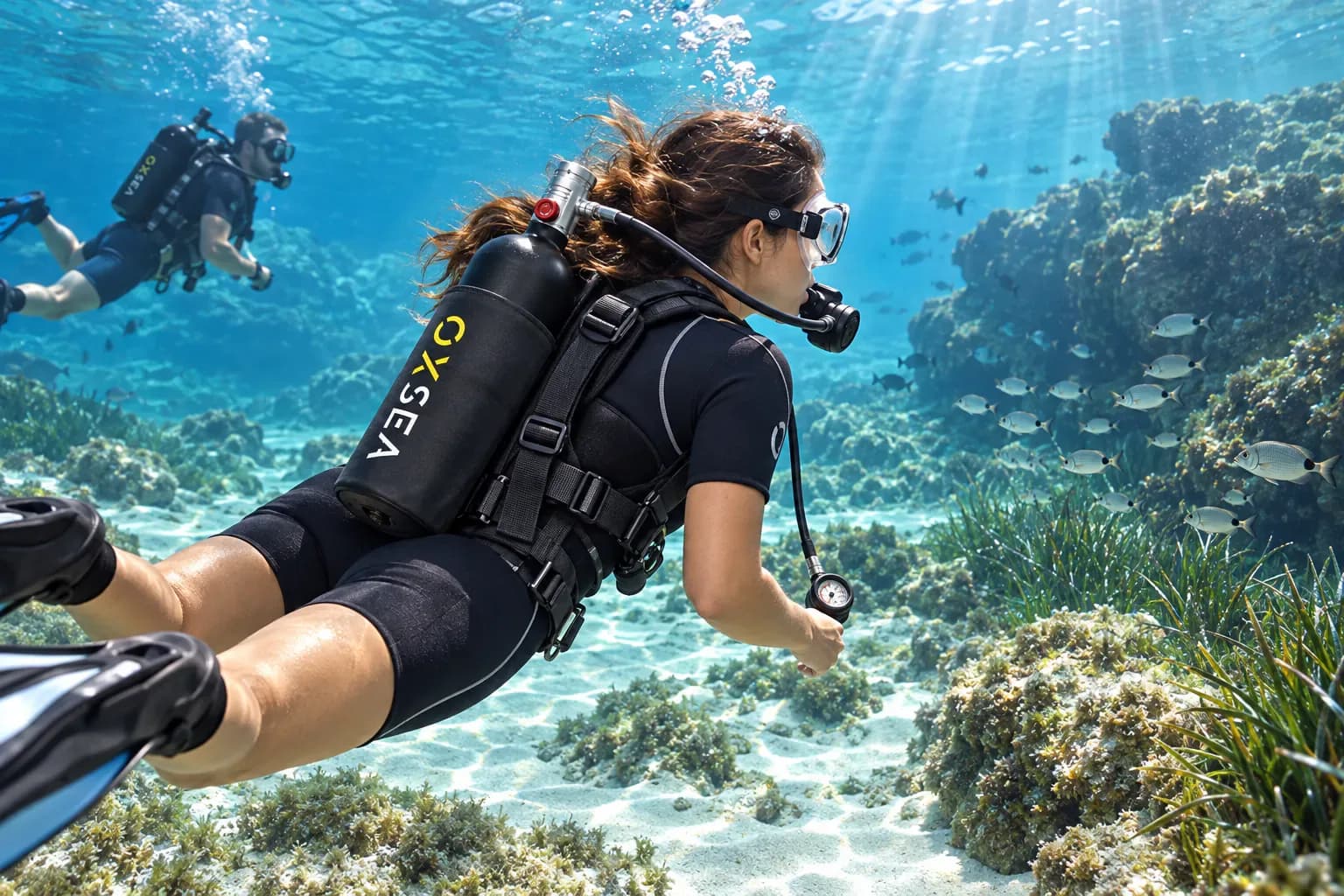
From Key Largo to the Dry Tortugas, the Florida Keys reef lies inside the Florida Keys National Marine Sanctuary, run by NOAA. Diving, snorkeling and boating are welcome almost everywhere. What changes from place to place is what you may take, where you may anchor and what you may touch. A mini tank adds one more rule to remember: the dive flag.
The rules that apply everywhere in the sanctuary
NOAA's summary of the sanctuary regulations (the full text is in 15 CFR 922, subpart P) lists the activities prohibited sanctuary-wide. The ones that matter most with a small tank:
- Diving or snorkeling without a dive flag. In the Keys, even a snorkeler needs one. With a tank in your mouth, there is no debate.
- Anchoring on living coral, and running a boat so it strikes coral or seagrass or leaves prop scars.
- Removing, injuring or possessing coral or live rock.
- Attracting or feeding fish, sharks included, from a boat or while diving.
- Discharging sewage, trash or other material.
- Going faster than idle speed/no wake within 300 feet of a divers-down flag, and faster than 4 knots within 300 feet of residential shorelines, stationary boats or the markers on the reefs, except in marked channels.
The zones marked by yellow buoys
The sanctuary is divided into zones. The ones a reef snorkeler meets most are the Sanctuary Preservation Areas (SPAs): 17 of them, about 12 square miles in all, protecting shallow reefs along the reef tract. They are marked with 30-inch round yellow buoys and fitted with mooring buoys.
Diving, snorkeling and boating are allowed in SPAs. What is prohibited inside:
- fishing by any means, and taking or possessing any marine life, shells included (Sand Key allows catch-and-release trolling);
- touching or standing on living or dead coral;
- discharging anything except cooling water or engine exhaust;
- anchoring on coral, or anchoring at all when a mooring buoy is free.
The 17 SPAs, from NOAA's list: Alligator Reef, Carysfort, Cheeca Rocks, Coffins Patch, Conch Reef, Davis Reef, Eastern Dry Rocks, The Elbow, Hen and Chickens, Key Largo Dry Rocks and Grecian Rocks, Looe Key, Molasses Reef, Newfound Harbor Key, Rock Key, Sand Key and Sombrero Key.
Other zones add their own limits: conservation areas (no fishing, no anchoring, continuous transit through most of them), new nursery restoration areas, and wildlife management areas marked with white and orange spar buoys, which can be idle speed, no motor, no anchoring or no entry at all.
The Key Largo and Looe Key management areas ban spearfishing, and spear guns may only be carried while passing straight through. State rules also ban spearfishing in Monroe County state waters from Long Key north to the Miami-Dade line. More in our guide to spearfishing with a mini tank in the US.
Mooring buoys, and what changes in 2027
The sanctuary maintains more than 600 mooring buoys, free to use on a first-come, first-served basis. They are meant for short stays, not for overnight or long-term use. The standard 18-inch buoys take boats up to 59 feet; larger 24-inch buoys take boats from 60 to 100 feet.
NOAA's Restoration Blueprint, finalized in December 2024, tightens anchoring. In 2027, anchoring of any kind will be prohibited in SPAs, except at Hen and Chickens, Cheeca Rocks, Newfound Harbor Key, Eastern Dry Rocks, Rock Key and Sand Key. In practice, plan to pick up a buoy, and have a plan B if they are all taken.
Snorkeling the reef with a small tank
A mini tank changes how you snorkel a shallow reef: instead of one breath hold for a quick look, you can stay down for a minute or two and watch. A few habits keep you within the rules and keep the reef intact:
- Flag up before you get in, on the boat or on a float.
- Never rest on the reef. Without a buoyancy jacket, it is tempting to stand on a coral head to clear your mask. In an SPA, that is a violation. Surface, or hover over sand.
- Weight yourself lightly and keep your fins off the bottom. Most of what is worth seeing on these shallow reefs is visible from just under the surface.
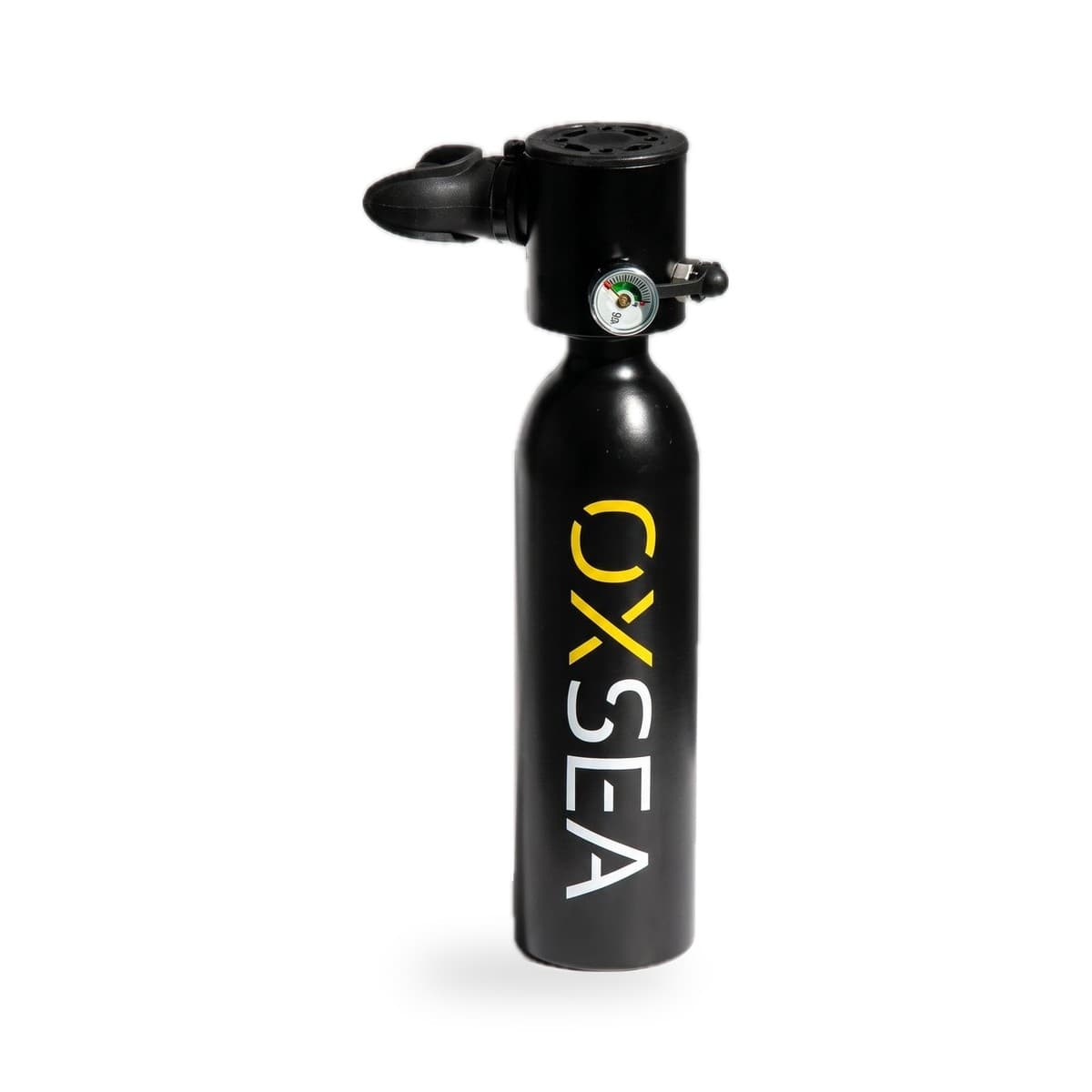
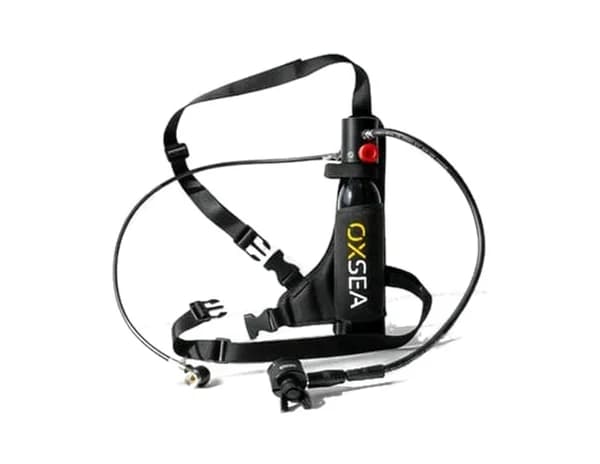
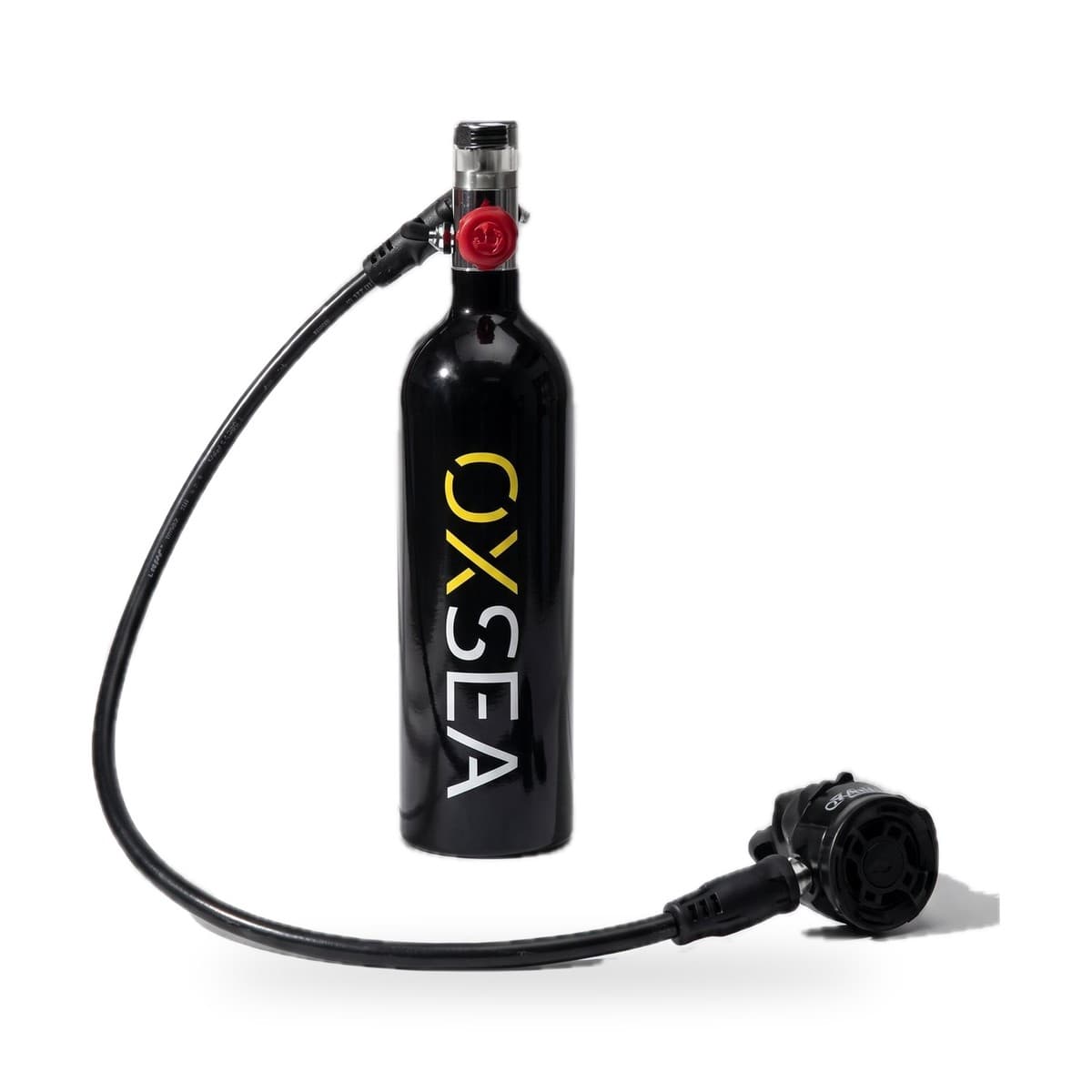
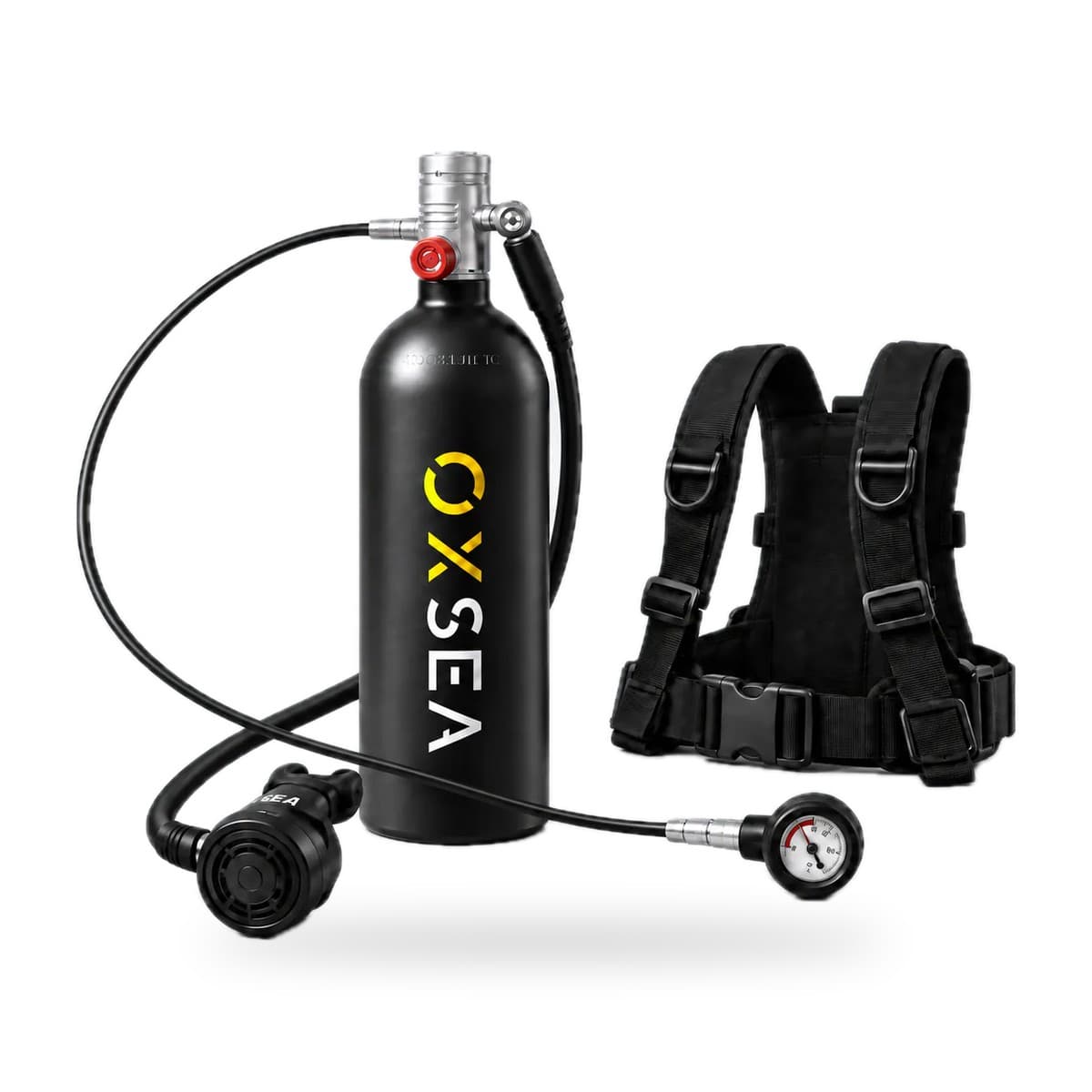
- The OXAIR mask suits this kind of day: you breathe through its snorkel at the surface and the tank takes over when you drop down for a closer look, so the air lasts much longer. A back-mounted tank such as the OX500Plus or the OX1000 leaves your hands free.
- No feeding the fish, even a little. It is prohibited sanctuary-wide.
The same breathing rules as always: breathe continuously, never hold your breath on the way up, ascend slowly.
Working on your boat in the Keys
Checking the prop or freeing a line at a sanctuary mooring is the same job as anywhere else, with the sanctuary rules on top: flag up, nothing discharged, nothing touched on the bottom. For cleaning a hull in a Keys marina, see our guide to in-water hull cleaning in Florida.
If you see a violation or an injured animal, NOAA's enforcement hotline is 800-853-1964, and the FWC Wildlife Alert line, for manatees among others, is 888-404-3922.
Sources
- NOAA, Florida Keys National Marine Sanctuary, sanctuary regulations (summary; full text in 15 CFR 922 subpart P)
- NOAA, Florida Keys National Marine Sanctuary, Sanctuary Preservation Areas
- NOAA, Florida Keys National Marine Sanctuary, buoy program and mooring buoy locations
- NOAA Office of National Marine Sanctuaries, Restoration Blueprint for Florida Keys is final, December 2024, updated January 2025
- NOAA, Florida Keys National Marine Sanctuary, report an incident
Checked in October 2026. Zone boundaries and the 2027 anchoring changes are being phased in: check the sanctuary's interactive map before you go.
The range
More guides
Dive flag rules in the US: what to fly when you go under the boat with a mini tank
5 min read
Spearfishing with a mini scuba tank in the US: what Florida, California, Texas, Hawaii and Puerto Rico allow
6 min read
Cleaning your own hull in the water in California: copper paint, the 90-day wait and the soft-tool rule
5 min read