
Cleaning your hull in the water in Florida: what Clean Marinas allow, and what to do when a manatee shows up
What Florida's Clean Marina program says about cleaning and scraping hulls in the water, how to stay within marina rules, and what to do near manatees.
Updated October 20, 2026 · 4 min read · by the OXSEA team
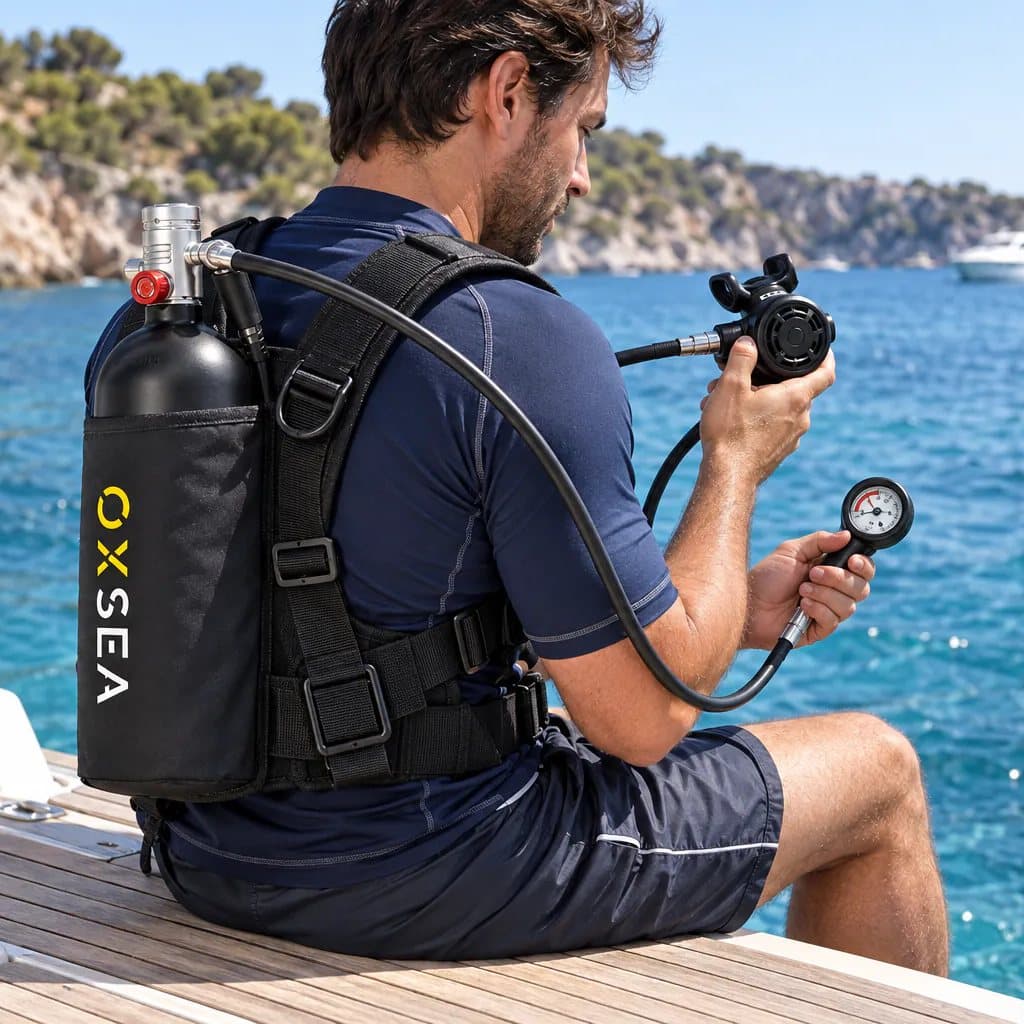
In Florida water, a hull left alone for a few weeks grows slime, then weed, then barnacles on the prop and the running gear. Owners who keep their boat in the water learn to deal with it often. Before you go under your own boat with a mini tank, it helps to know what Florida's marinas expect, because many of them do not allow the job most people have in mind: scraping.
No state rule, but a marina program that sets the tone
Florida has no state rule telling a boat owner how to clean a hull. What sets the tone is the Florida Department of Environmental Protection's Clean Marina program, a voluntary designation that marinas, boatyards and dealers earn by following the department's environmental best practices. Many Florida marinas fly the Clean Marina flag.
The program's checklist asks each facility, in so many words, whether it prohibits cleaning and scraping hull bottoms, including barnacle scraping of running gear, while vessels are in the water. In a Clean Marina, the answer is often yes. Ask the dockmaster before you get in.
What the Clean Marina practices say
The department's 2020 best management practices for cleaning boats in the water:
- When possible, take the boat out of the water to clean it, where debris can be caught and disposed of.
- Use dry slips and boat lifts to reduce the need for in-water cleaning.
- No pressure washing in or over the water.
- Wipe the underwater hull regularly with sponges or soft towels.
- Wash above the waterline by hand, with phosphate-free, biodegradable products, in small amounts. Avoid cleaners that must be rinsed off, and anything with ammonia, bleach, chlorinated solvents, petroleum distillates or lye.
- Avoid in-water hull scraping and any abrasive process underwater that may remove antifouling paint. The department's reasons: scrubbing antifouling paint releases toxic metals that end up in marina sediments, and underwater scraping adds nutrients and spreads fouling organisms around the marina.
What that means for a mini tank owner
The practical way to stay within these rules is to clean little and often, before growth gets hard.
- Soft wipes, not scrapes. A sponge or soft towel every few weeks keeps slime from turning into weed and barnacles. That is the kind of in-water cleaning the Clean Marina practices encourage.
- Barnacles on the running gear are where the rules bite. If your marina prohibits scraping in the slip, plan it for the next haul-out or the boatyard.
- Inspection is always fine. Checking the prop, the zincs, the intakes and the transducer, or freeing a line from the prop, is not cleaning. Our guides on clearing a rope from a propeller and checking boat anodes cover those jobs.
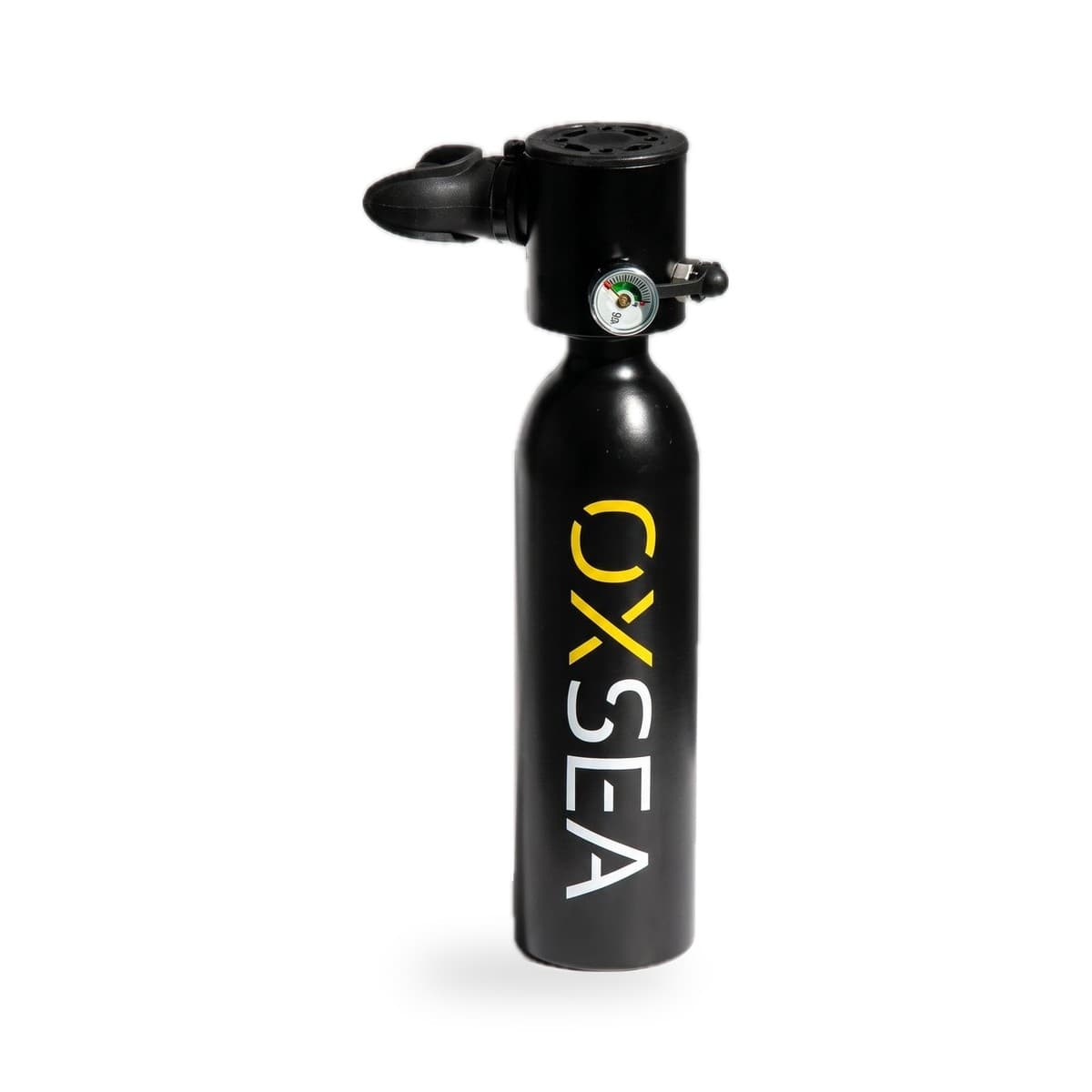
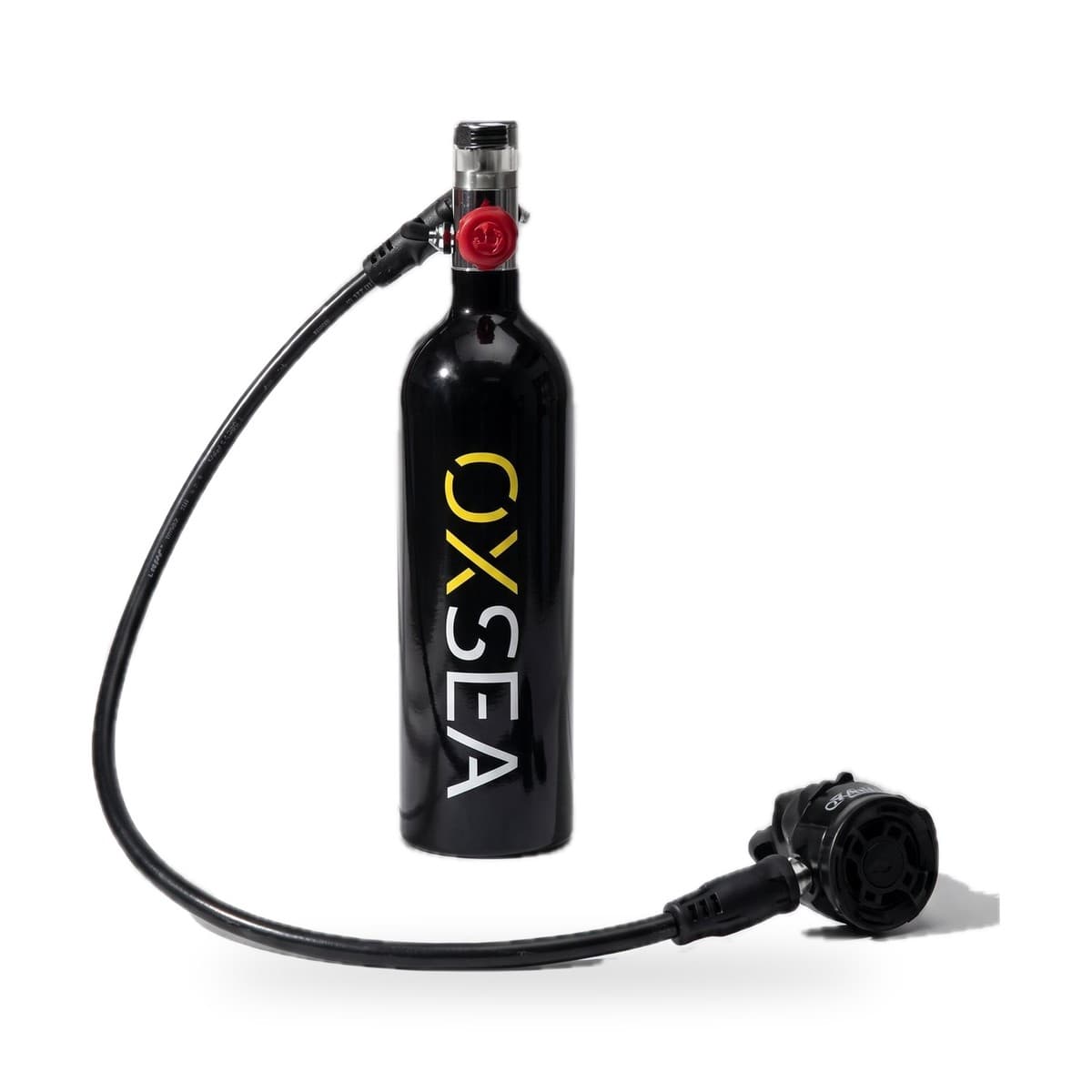
- Use enough air. A regular wipe of a whole hull takes more than the 8 minutes of a half-liter tank. The OX1000 gives about 15 minutes and the OX2000 20 to 25, both worn on your back with your hands free. The 12 V compressor refills them at the dock.
When a manatee shows up
Manatees spend time in Florida's canals and marinas, especially when the water turns cold. They are protected by two federal laws, the Marine Mammal Protection Act and the Endangered Species Act, with civil and criminal penalties for harming or harassing them.
The U.S. Fish and Wildlife Service's standard conditions for in-water work are a good habit to borrow, even though they are written for permitted projects rather than boat owners:
- Stop work if a manatee comes within 50 feet.
- Let it leave on its own. Never herd it, chase it or push it away.
- Resume once it has gone, or after 30 minutes without seeing it again.
- Do not feed it or try to interact with it. Watching and filming from a distance is fine.
If you find an injured, sick, entangled or dead manatee, call the FWC Wildlife Alert hotline at 888-404-3922, or dial *FWC or #FWC from a cell phone.
Safety in a Florida marina
Fly the divers-down flag whenever someone is in the water: Florida law requires it, with specific sizes and distances, all explained in our guide to dive flag rules in the US. Engine off and keys out, someone on the dock, a hand on the hull, and watch for shore-power cables and dock lines around the slip. Breathe continuously, never hold your breath on the way up and ascend slowly. In the Keys, the national marine sanctuary adds its own rules: see our guide to the Florida Keys with a mini tank.
Sources
- Florida Department of Environmental Protection, Florida Clean Marina Best Management Practices, 2020, section "Boat cleaning in the water"
- Florida Department of Environmental Protection, Clean Marina action plan checklist and Clean Marina program
- U.S. Fish and Wildlife Service, Standard manatee conditions for in-water activities
- NOAA, Florida Keys National Marine Sanctuary, report a violation or injured wildlife
Checked in October 2026. Each marina sets its own rules on in-water cleaning: ask yours before you start.
The range


More guides
Dive flag rules in the US: what to fly when you go under the boat with a mini tank
5 min read
Spearfishing with a mini scuba tank in the US: what Florida, California, Texas, Hawaii and Puerto Rico allow
6 min read
Cleaning your own hull in the water in California: copper paint, the 90-day wait and the soft-tool rule
5 min read