
Southern California shore spots for a mini scuba tank: La Jolla, Laguna Beach, Crystal Cove and Casino Point
La Jolla, Laguna Beach, Crystal Cove and Casino Point: what each marine protected area allows, and how to plan a cold-water shore dive with a small tank.
Updated October 20, 2026 · 4 min read · by the OXSEA team
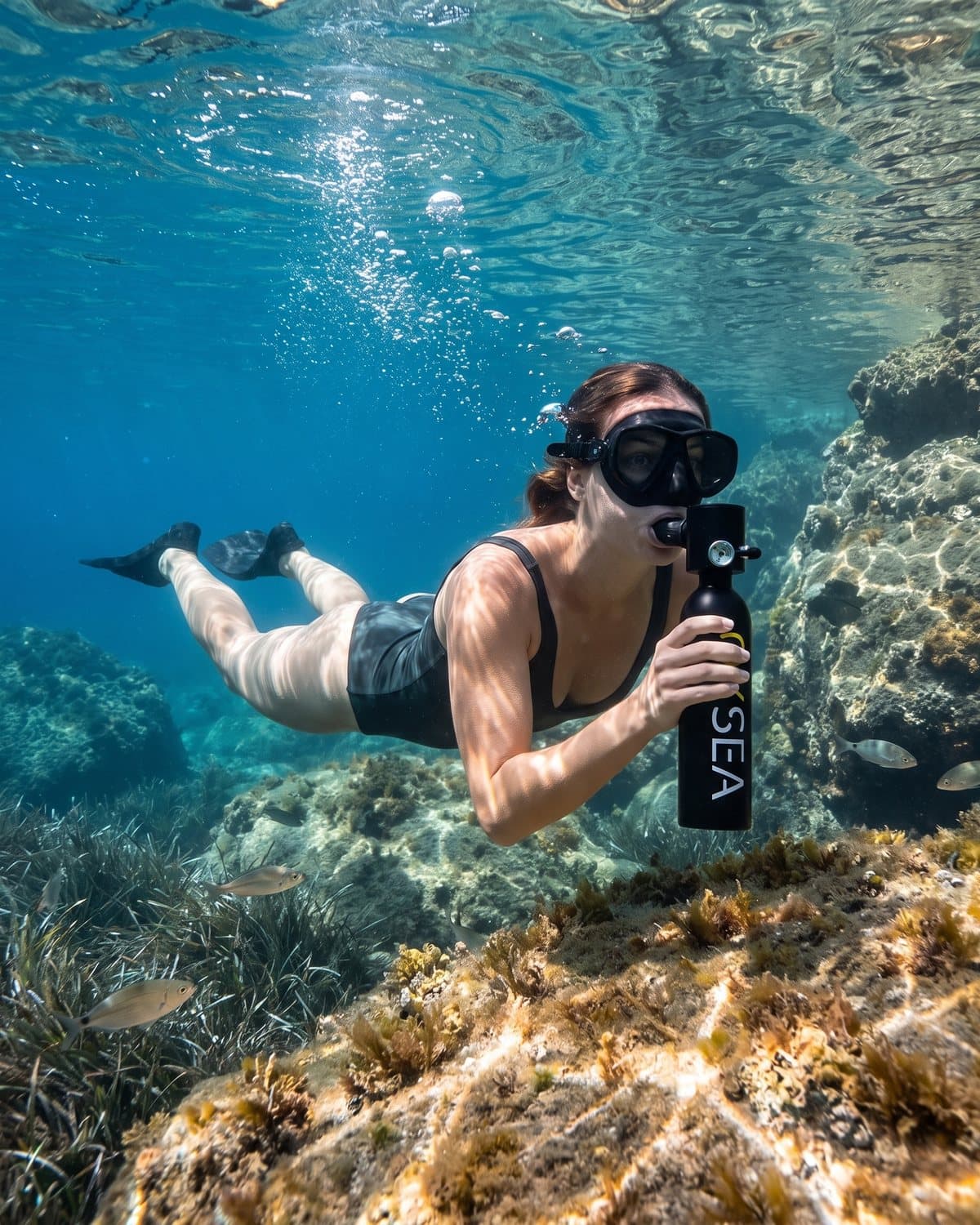
Southern California has some of the best shore diving in the country: kelp forests, garibaldi, leopard sharks and sea lions, often a short swim from the sand. Most of the famous spots sit inside state marine protected areas (MPAs), and the rules differ from one to the next. Here are four, with what the California Department of Fish and Wildlife (CDFW) says about each.
La Jolla: Matlahuayl State Marine Reserve
Just offshore of UC San Diego, Matlahuayl State Marine Reserve covers a little over a square mile, from sandy beaches and rocky reefs to sea caves and the head of a submarine canyon. Next to it, the San Diego-Scripps Coastal State Marine Conservation Area protects an area that has been a refuge since 1929.
The canyons bring up cold, nutrient-rich water, and CDFW lists leopard sharks, garibaldi, nudibranchs, spiny lobsters, sea lions and kelp bass among the locals.
Rules: Matlahuayl is a reserve. It is unlawful to injure, damage, take or possess any living, geological or cultural marine resource. Look, do not touch, take nothing home. The neighboring SMCA allows only hook-and-line fishing for certain coastal pelagic species.
Laguna Beach: State Marine Reserve and No-Take SMCA
Two MPAs cover most of Laguna Beach's coves:
- Laguna Beach State Marine Reserve, along more than four miles of shoreline from Abalone Point, the city's northern limit, south to Goff Island.
- Laguna Beach State Marine Conservation Area (No-Take), from Goff Island south to Table Rock.
CDFW describes shallow, kelp-filled reefs, surfgrass full of young rockfish, and frequent sightings of leopard sharks, garibaldi and halibut.
Rules: no recreational or commercial fishing, and no take of any marine resource in either one.
Crystal Cove State Marine Conservation Area
About 10 miles south of Huntington Beach along Highway 1, next to Crystal Cove State Park, this SMCA stretches over more than four miles of coves, sandy beaches, rocky reefs and kelp forest. Beyond the waves, CDFW mentions giant kelp, garibaldi, senorita, opaleye and several kinds of perch.
Rules: Crystal Cove is less strict than its neighbors. It is unlawful to injure, damage, take or possess marine resources, except that recreational take of finfish by hook-and-line or spearfishing, and take of spiny lobster and sea urchin, are allowed. Remember the statewide rules on top: lobster by hand or hoop net only, never with a spear, and abalone is closed everywhere. See our guide to spearfishing with a mini tank in the US.
Casino Point, Avalon, Catalina Island
Below the Casino Building in Avalon, Casino Point State Marine Conservation Area (No-Take) became one of the first underwater parks in the country in the 1960s. It is tiny, less than a tenth of a square mile, but CDFW calls it some of the best shore diving in California: clear water, no heavy surf, and kelp forest to just beyond 70 feet, with kelp bass, sheephead, garibaldi, moray eels and horn sharks.
Rules: no take of any kind. One unusual exception: feeding fish for marine life viewing is permitted here.
Planning a shore dive with a small tank
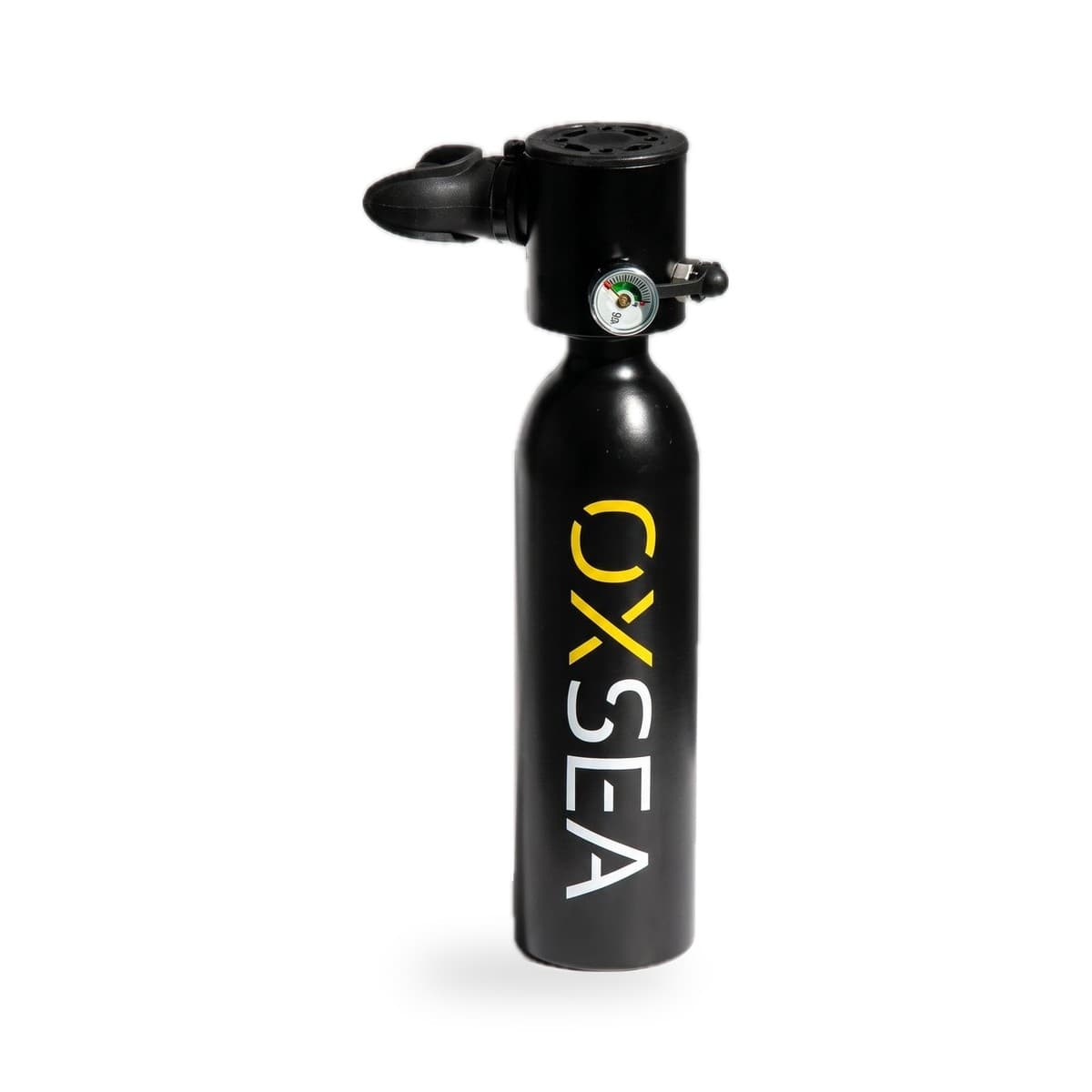
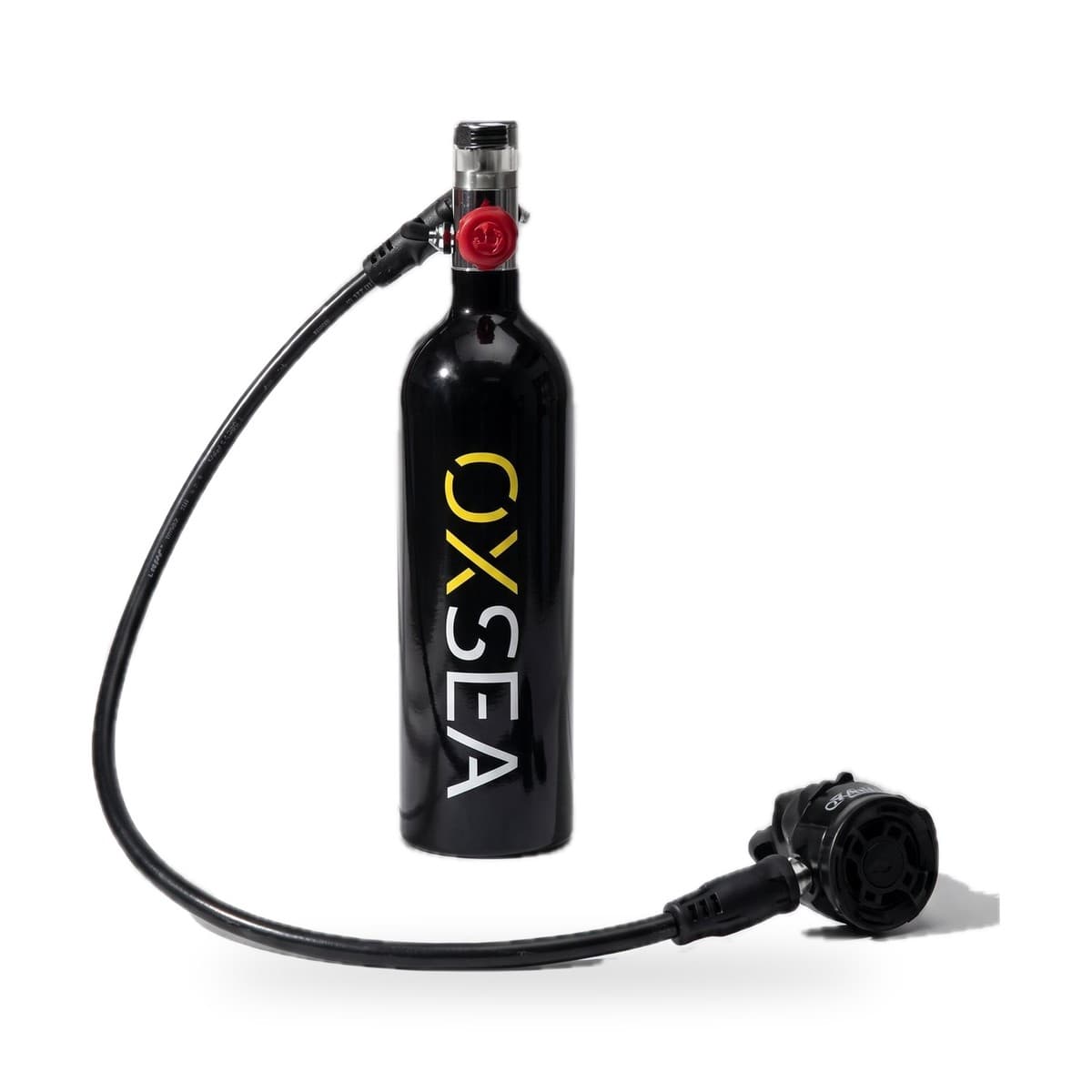
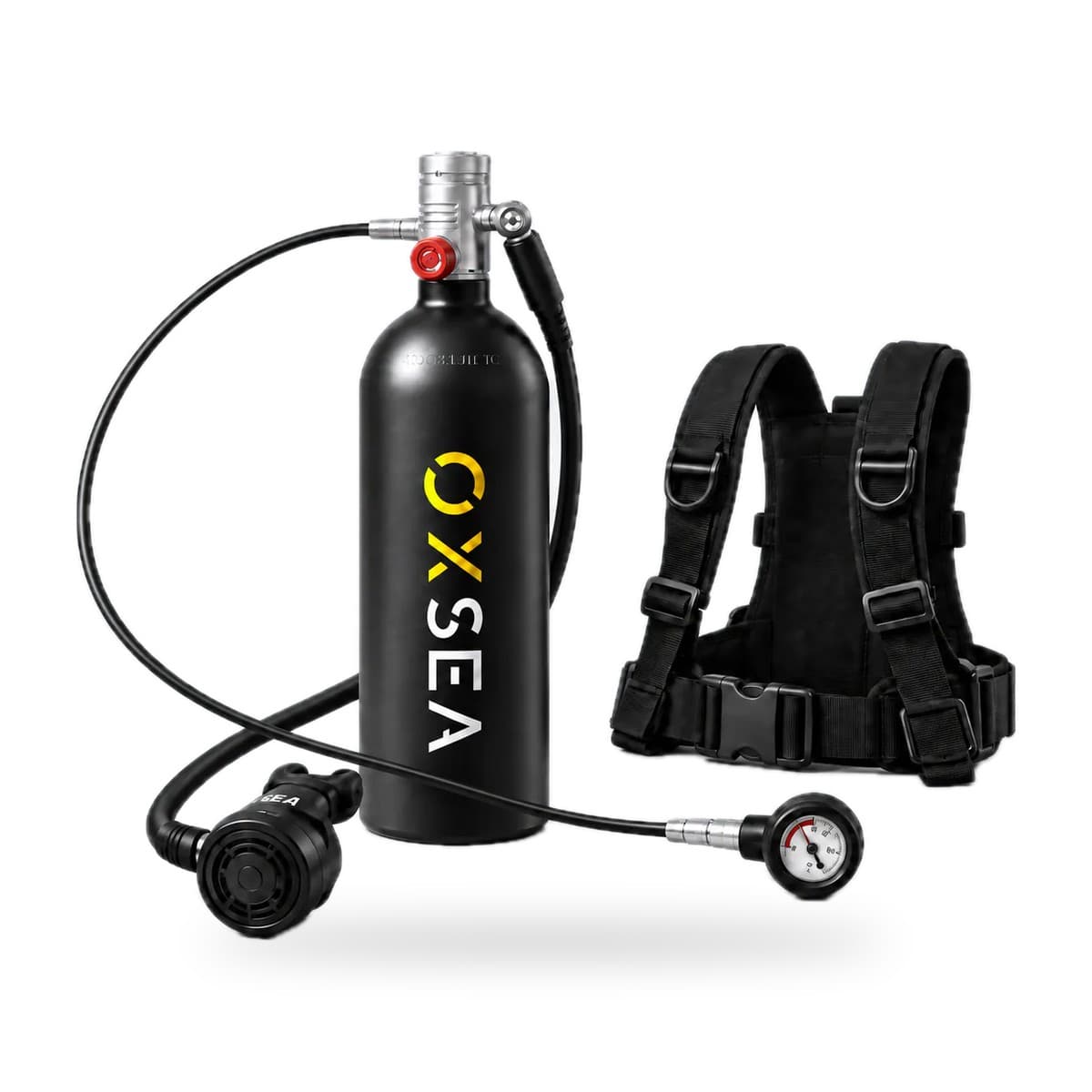
- Cold water uses air faster. Southern California water is cool most of the year, and cold makes you breathe harder. Wear a wetsuit and plan on less time than the maximum. The OX1000, with about 15 minutes near the surface, gives you more margin than a half-liter tank.
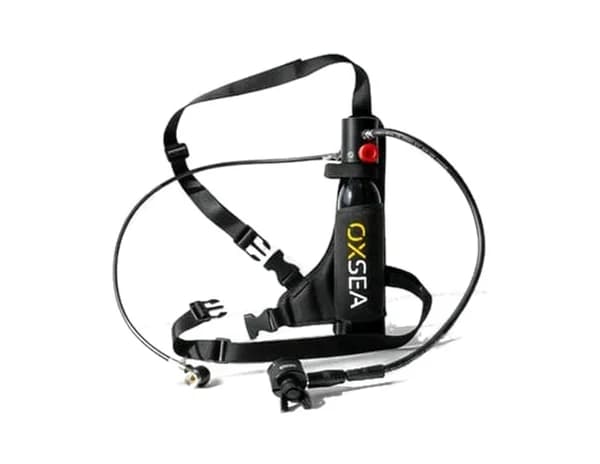
- Kelp catches hoses. Move slowly, keep the regulator hose of a back-mounted tank close to your body, and carry a small knife. If you get caught, stop and free yourself calmly instead of twisting.
- Surf entries. Check the surf report and the lifeguards' advice, enter and exit where it is calm, and put your mask on before you go through the waves.
- Sea lions and seals are curious and protected by the Marine Mammal Protection Act. Let them come and go; never chase or touch them.
- The OXAIR mask is a good fit for kelp and reef snorkeling: snorkel at the surface, and the tank takes over when you drop down.
- Garibaldi, the bright orange state marine fish, may never be speared anywhere in California.
Breathe continuously, never hold your breath on the way up, and ascend slowly. Never dive alone, and fly a dive flag when you are away from a supervised beach: see dive flag rules in the US.
Sources
- California Department of Fish and Wildlife, Matlahuayl State Marine Reserve and San Diego-Scripps Coastal State Marine Conservation Area
- California Department of Fish and Wildlife, Laguna Beach State Marine Reserve and State Marine Conservation Area (No-Take)
- California Department of Fish and Wildlife, Crystal Cove State Marine Conservation Area
- California Department of Fish and Wildlife, Casino Point State Marine Conservation Area (No-Take)
- California Department of Fish and Wildlife, Southern California MPA network
Checked in October 2026. MPA rules are set in Title 14, section 632, of the California Code of Regulations: check CDFW's page for each area before you go.
The range
More guides
Dive flag rules in the US: what to fly when you go under the boat with a mini tank
5 min read
Spearfishing with a mini scuba tank in the US: what Florida, California, Texas, Hawaii and Puerto Rico allow
6 min read
Cleaning your own hull in the water in California: copper paint, the 90-day wait and the soft-tool rule
5 min read