
Hawaii with a mini scuba tank: Marine Life Conservation Districts, West Hawaii rules and wildlife distances
Hawaii's 11 Marine Life Conservation Districts, the West Hawaii fishery rules and the federal 50-yard spinner dolphin rule, for snorkelers with a small tank.
Updated October 20, 2026 · 4 min read · by the OXSEA team
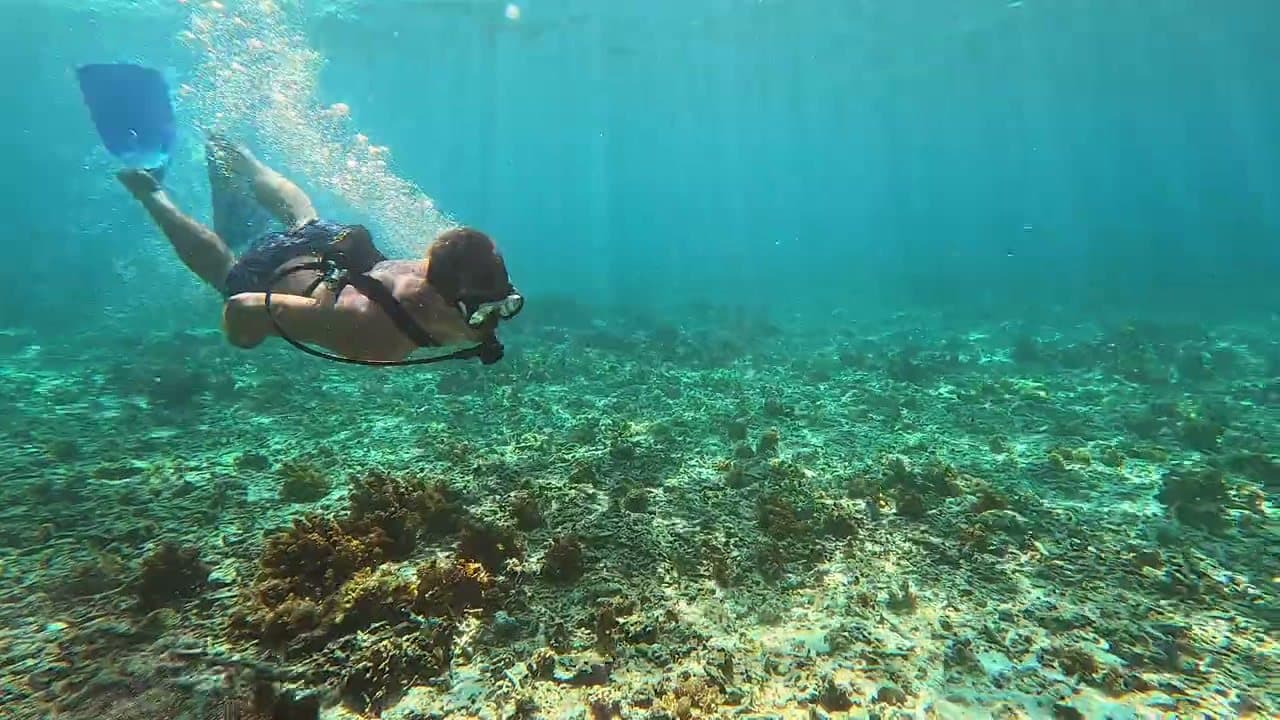
Hawaii's reefs start a few strokes from the beach, and a small tank is a natural way to spend a little longer looking at them. The rules that matter are less about the tank than about where you are and what swims next to you: the state's Marine Life Conservation Districts, the fishery rules of West Hawaii, and federal protections for dolphins, turtles and monk seals.
Marine Life Conservation Districts
The Division of Aquatic Resources (DAR) describes its Marine Life Conservation Districts (MLCDs) as places meant for non-consumptive uses such as swimming, snorkeling and diving. Inside them, taking living material (fish, eggs, shells, corals, algae) is generally restricted, if it is permitted at all, and so is taking sand, rocks or coral skeletons. Some districts allow limited fishing with specific gear: check the state fishing regulations before you bring any.
There are 11 MLCDs:
| Island | Marine Life Conservation Districts |
|---|---|
| Oahu | Hanauma Bay, Pupukea, Waikiki |
| Hawaii Island | Kealakekua Bay, Lapakahi, Old Kona Airport, Waialea Bay, Waiopae Tidepools |
| Maui | Honolua-Mokuleia, Molokini Shoal |
| Lanai | Manele-Hulopoe |
Hanauma Bay is also a city nature preserve with its own entry system and opening days, run by the City and County of Honolulu. Check its official site before you go.
West Hawaii: tank and spear never together
Along the west coast of Hawaii Island, from Ka Lae (South Point) to Upolu Point in North Kohala, the West Hawaii Regional Fishery Management Area adds rules that catch out visitors with tanks:
- No spearfishing on scuba, and no carrying scuba gear and a spear at the same time, or scuba gear and speared marine life. A mini tank is scuba gear.
- No feeding fish in the Fish Replenishment Areas and Netting Restricted Areas, which include Puako-Anaehoomalu, Kaupulehu, Nenue Point (Red Hill) and Kaloko-Honokohau.
- No taking Hawaiian, broad or pelagic stingrays, spotted eagle rays, blacktip, gray and whitetip reef sharks, tiger sharks, whale sharks, horned helmets or Triton's trumpets.
More on the spearfishing side in our guide to spearfishing with a mini tank in the US.
Spinner dolphins and whales: distances set by law
Since October 28, 2021, a federal rule under the Marine Mammal Protection Act prohibits swimming with Hawaiian spinner dolphins, and approaching or staying within 50 yards of them. It also bans putting yourself, a boat or an object in their path so that they come within 50 yards. It applies within 2 nautical miles of the main Hawaiian Islands and in the waters between Lanai, Maui and Kahoolawe, to swimmers, snorkelers, divers, paddleboards and drones alike.
If dolphins come to you, the rule allows for it as long as you do not pursue them and you move away. With a tank, that means no following them down.
Humpback whales get even more room: in Hawaii, federal law prohibits approaching within 100 yards of them, including by boat, kayak or drone.
Sea turtles and monk seals
NOAA's viewing guidelines for Hawaii recommend staying at least 10 feet from sea turtles, in the water and on land, and at least 50 feet from Hawaiian monk seals, 150 feet from a mother with her pup. These distances are guidelines rather than legal boundaries, but turtles and monk seals are protected under the Endangered Species Act (and monk seals under the Marine Mammal Protection Act too), and NOAA warns that getting closer makes illegal harassment more likely.
Underwater, turtles often rest on the bottom or under ledges. With a tank, it is easy to drift close without meaning to. Keep your distance, never touch them, and never block their way to the surface: they need to breathe too.
To report an injured animal or harassment, call the NOAA Marine Wildlife Hotline at 888-256-9840.
Diving the reef with a small tank
- Shore entries are the norm in Hawaii. Surf, currents and sharp lava rock change with the season and the shore: ask lifeguards about the day's conditions and enter where they tell you.
- Stay off the reef. Without a buoyancy jacket, it is tempting to stand on coral to sort out your mask. Do it in sand, or at the surface.
- The OXAIR mask is made for this: snorkel at the surface, and the tank takes over when you dive down for a closer look.
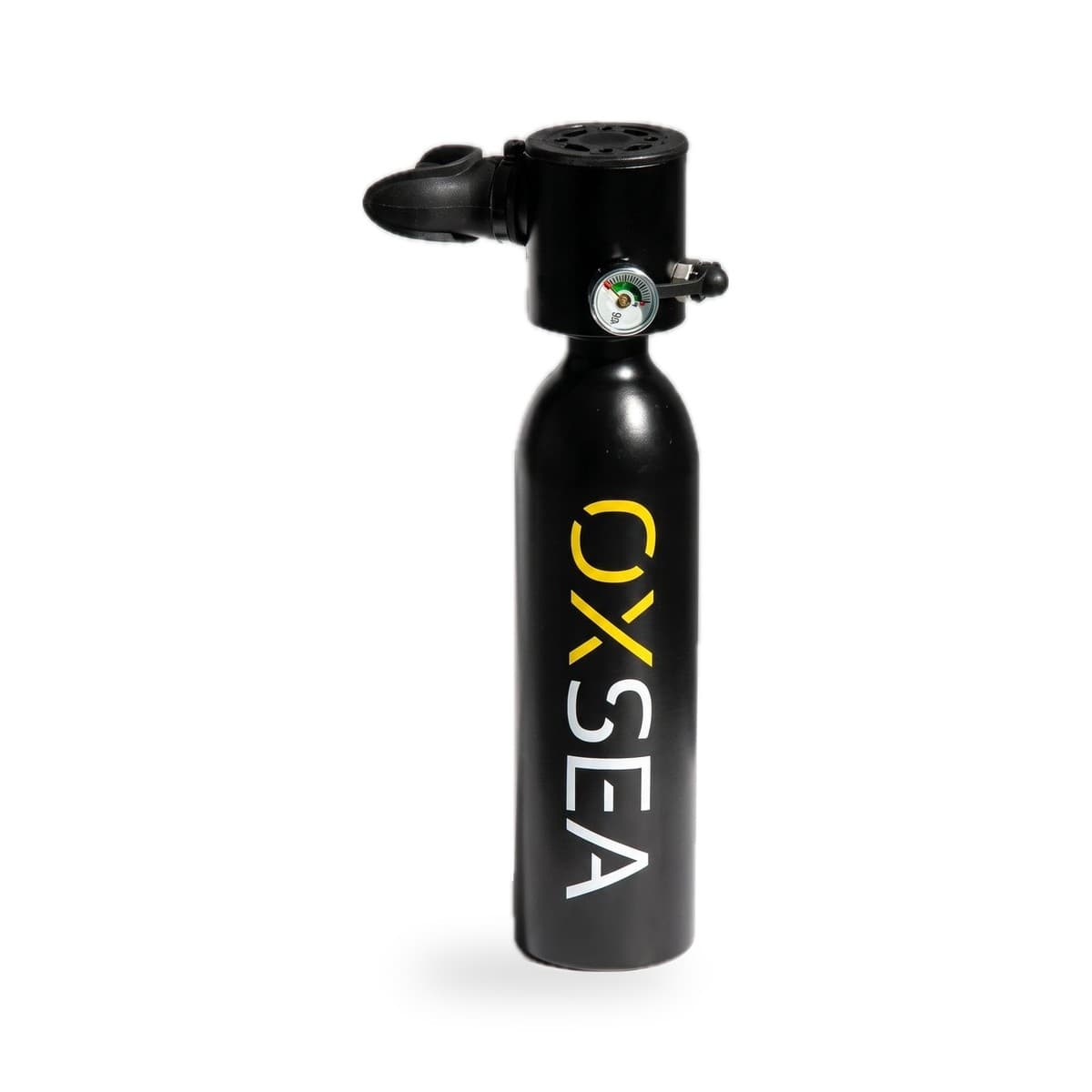
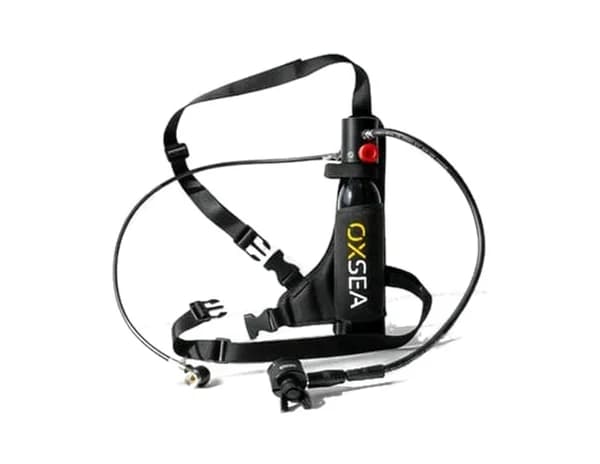
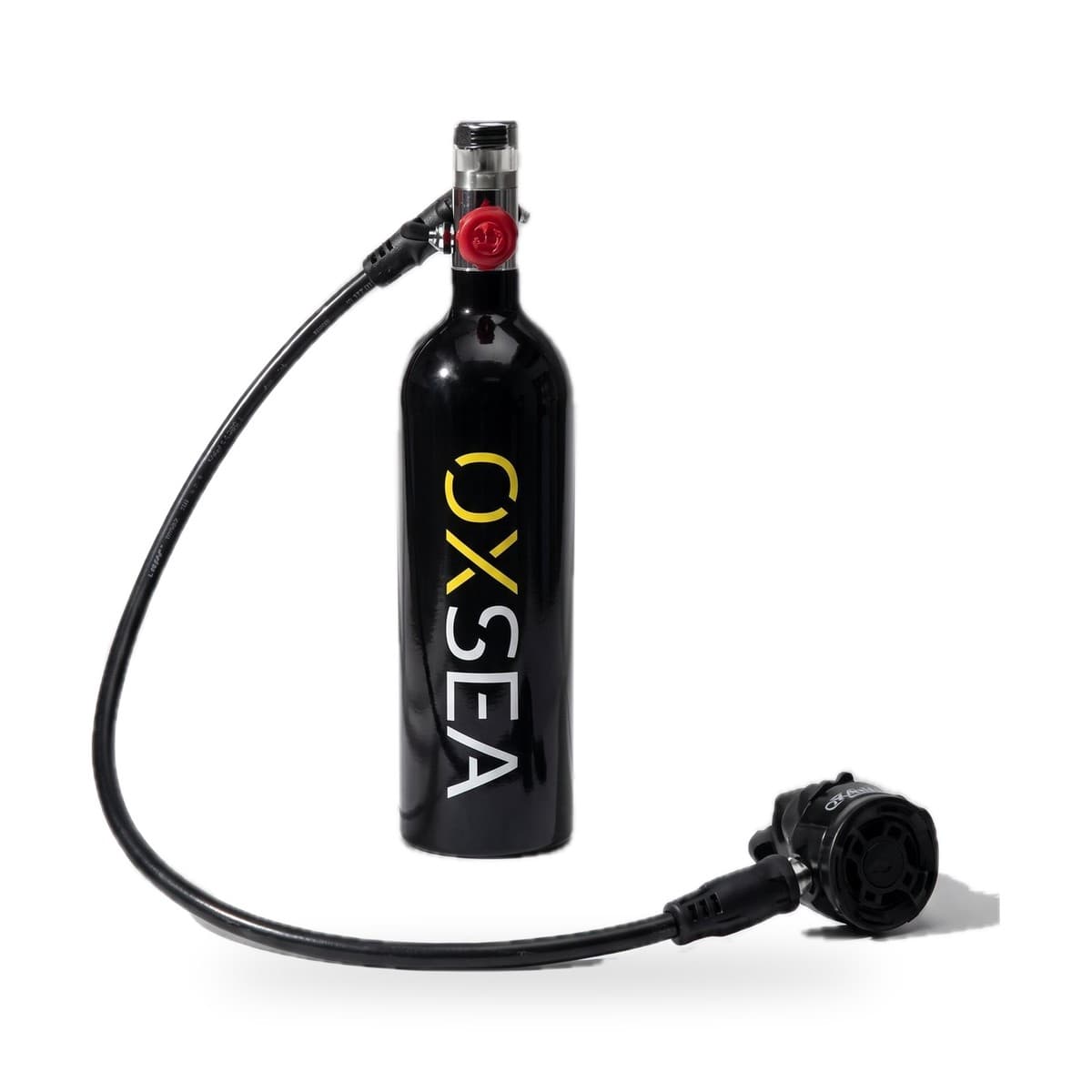
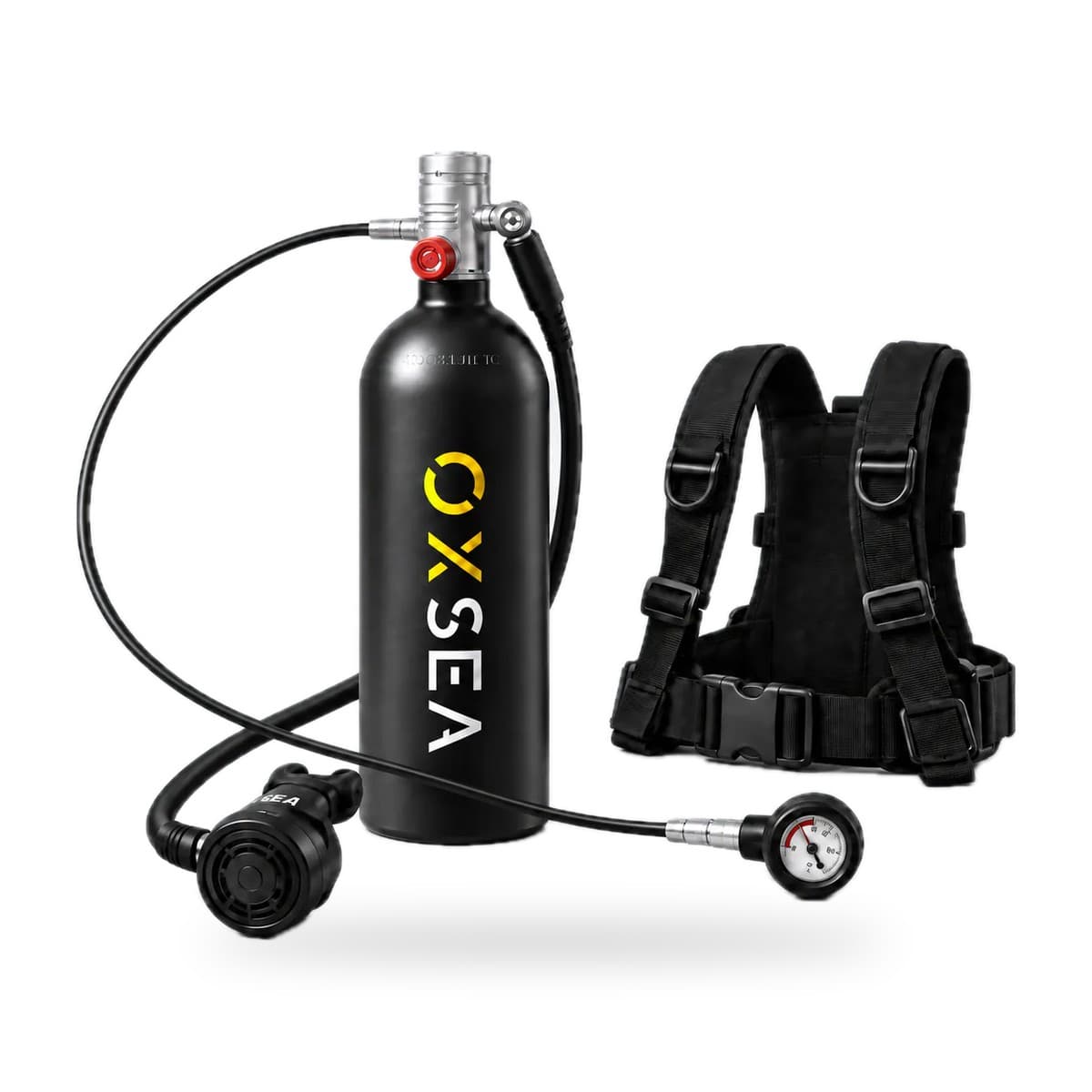
- A back-mounted tank such as the OX500Plus keeps your hands free. The hand pump refills it without power, handy for a rental car and a beach.
- Fly a dive flag and never dive alone.
The breathing rules are the same as anywhere: breathe continuously, never hold your breath on the way up, ascend slowly.
Flying in with a tank
You can bring an OXSEA tank on the plane only if it is completely empty, with the valve open or the head removed, and declared at check-in. Check your airline's rules before you book.
Sources
- Hawaii Division of Aquatic Resources, Marine Life Conservation Districts
- Hawaii Division of Aquatic Resources, West Hawaii Regional Fishery Management Area
- NOAA Fisheries, final rule to prohibit swimming with and approaching Hawaiian spinner dolphins and the Federal Register notice of September 28, 2021
- NOAA Fisheries, viewing marine wildlife in Hawaii
Checked in October 2026. DAR adds and updates managed areas regularly: check the current rules for the bay you plan to visit.
The range
More guides
Dive flag rules in the US: what to fly when you go under the boat with a mini tank
5 min read
Spearfishing with a mini scuba tank in the US: what Florida, California, Texas, Hawaii and Puerto Rico allow
6 min read
Cleaning your own hull in the water in California: copper paint, the 90-day wait and the soft-tool rule
5 min read